Acrylic vs Aluminum License Plates: What’s the Difference?
Acrylic vs Aluminum License Plates: What’s the Difference?
1. Why Material Selection Matters
The material of a license plate affects:
① Durability and lifespan
② Production cost
③ Appearance and finish
④ Suitability for embossing
⑤Market compliance
Understanding these differences is essential for manufacturers, distributors, and importers.
2. What Are Acrylic License Plates?
Key Characteristics:
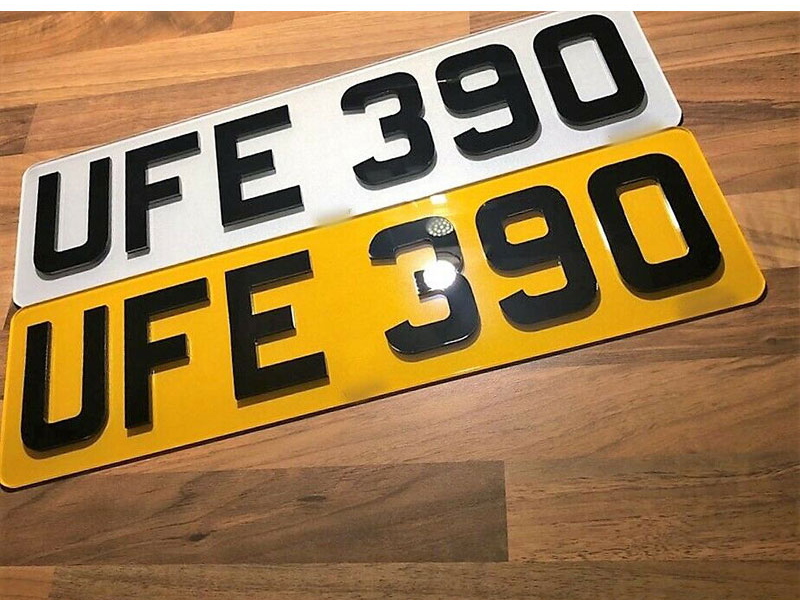
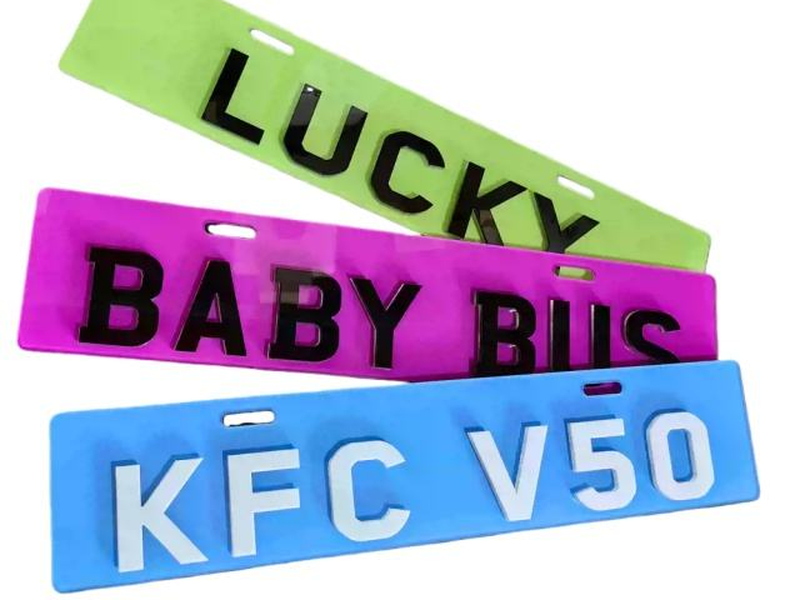
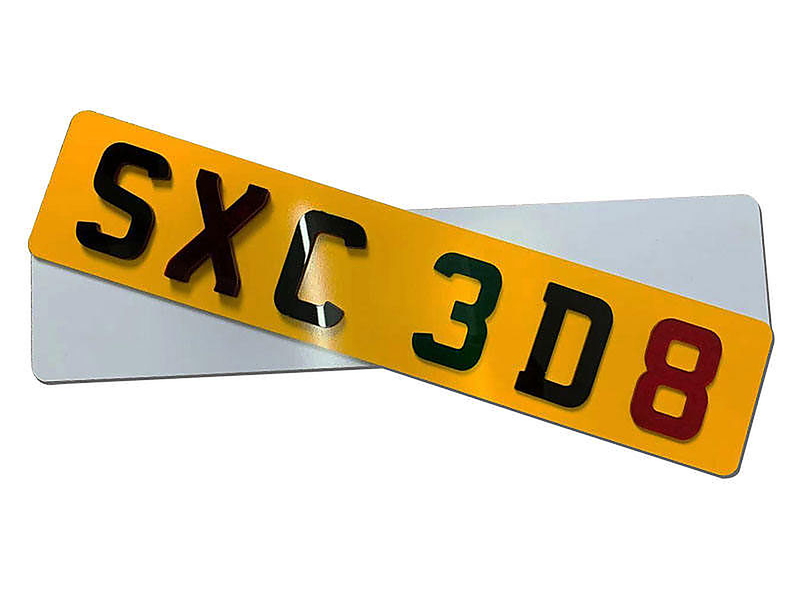
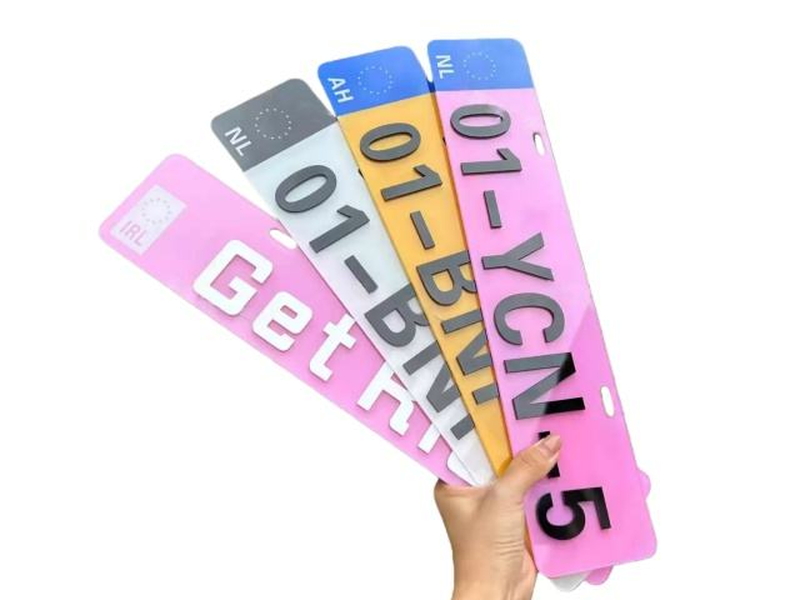
Acrylic license plates are made from transparent or colored plastic (PMMA), often used for decorative or custom applications.
Advantages:
① Smooth, glossy surface with premium look
② Lightweight and flexible
③ Easy to cut and customize
④ Available in various colors and styles
Disadvantages:
① Lower impact resistance compared to metal
② Can crack under pressure
③ Not suitable for heavy embossing
3. What Are Aluminum License Plates?
Key Characteristics
Aluminum is the most widely used material in standard license plate manufacturing.
Advantages:
① Strong and durable
② Corrosion-resistant (ideal for outdoor use)
③ Perfect for embossing and stamping
④ Compatible with reflective film
Disadvantages:
① Slightly higher material cost than plastic
② Less flexible in shape customization
4. Acrylic vs Aluminum License Plates: Key Differences
Feature | Acrylic License Plate | Aluminum License Plate |
Material Type | Plastic (PMMA) | Metal (Aluminum) |
Durability | Medium | High |
Weight | Lightweight | Lightweight |
Embossing Ability | Not suitable | Excellent |
Weather Resistance | Moderate | Excellent |
Appearance | Glossy, decorative | Standard, professional |
Cost | Lower | Medium |
Main Use | Decorative/custom plates | Official/road-use plates |
5. Which Material Should You Choose?
Choose Acrylic If:
① You focus on decorative or promotional plates
② Your market prefers stylish and colorful designs
③ You need low-cost customization
Choose Aluminum If:
① You produce official license plates
② You need embossing and long-term durability
③ Your market requires reflective and weather-resistant plates
6. Market Trends and Recommendations
① Africa & Southeast Asia: Aluminum plates dominate due to durability and standardization
② Custom Markets (EU/US decorative): Acrylic plates are popular for personalization
③ High-volume production: Aluminum is more stable and reliable
7. Conclusion
Both acrylic and aluminum license plates have their own strengths. Acrylic offers flexibility and visual appeal, while aluminum provides durability and professional-grade performance.
For most license plate manufacturing businesses, aluminum remains the preferred choice, while acrylic serves niche and decorative markets.