What Materials Are License Plates Made Of? A Complete Guide
What Materials Are License Plates Made Of? A Complete Guide
2024-05-20 13:37:33
Why Material Choice Matters for License Plates
The material of a license plate directly affects:
1. Durability and lifespan
2. Resistance to weather and corrosion
3. Production cost
4. Embossing quality
5. Appearance and reflectivity
Choosing the right material is crucial for both manufacturers and distributors.
Common Materials Used for License Plates
1. Aluminum License Plates
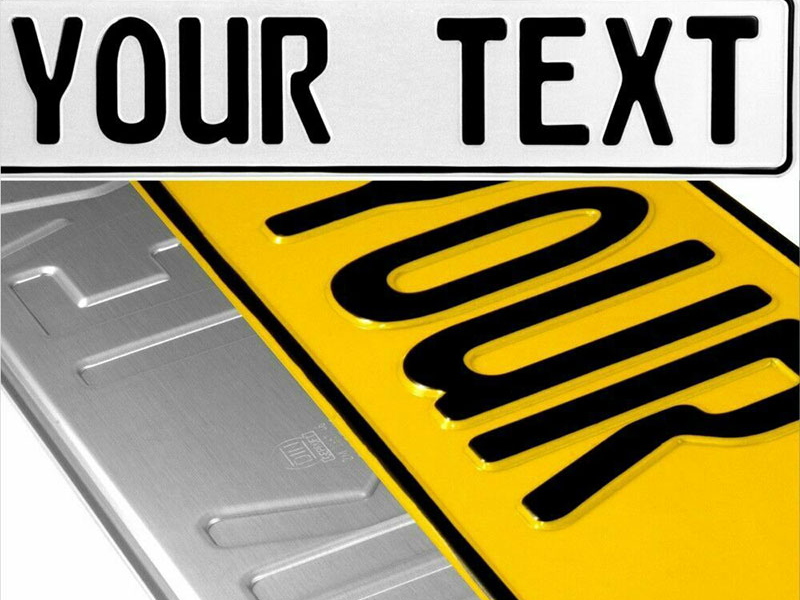
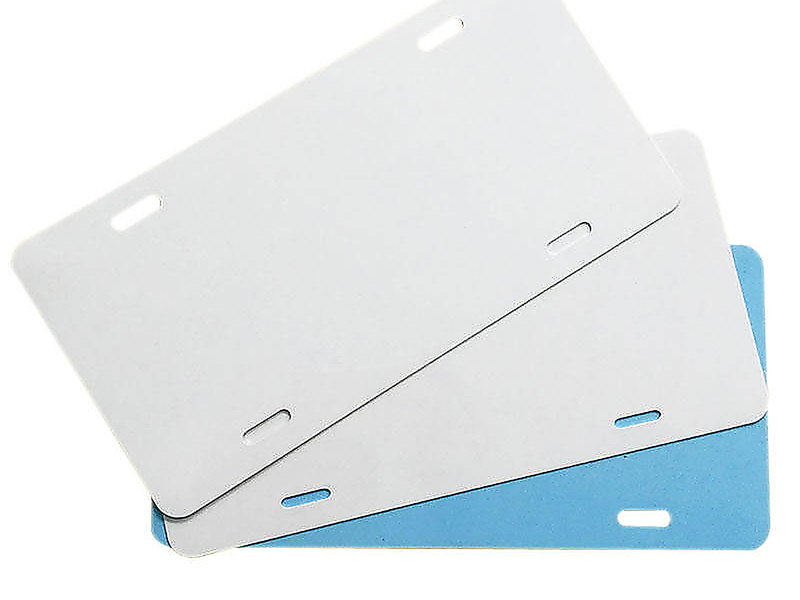
Aluminum is the most widely used material for license plates globally.
Key Features:
① Lightweight and corrosion-resistant
② Easy to emboss and stamp
③ Long service life
④ Suitable for reflective film application
Best For:
① Standard vehicle plates
② Export markets (Africa, Middle East, Southeast Asia)
2. Plastic License Plates (ABS / Acrylic)
Plastic materials such as ABS and acrylic are commonly used for decorative or temporary plates.
Key Features:
① Low cost
② Flexible and lightweight
③ Easy to mold into different shapes
Limitations:
① Less durable than metal
② Can deform under high temperatures
Best For:
① Promotional plates
② Indoor or short-term use
3. Stainless Steel License Plates
Stainless steel plates are used in specific applications requiring extra strength.
Key Features:
① Extremely durable
② High resistance to impact and corrosion
③ Premium appearance
Limitations:
① Higher cost
② More difficult to emboss
Best For:
① Special vehicles
② High-end or customized plates
4. Reflective License Plate Materials
Most modern license plates use reflective sheeting on top of a base material (usually aluminum).
Key Features:
① High visibility at night
② Meets international safety standards
③ Available in different grades (engineering grade, high-intensity, etc.)
Application:
① Laminated onto aluminum plates
② Combined with embossing and hot stamping
5. Composite Materials (Emerging Trend)
Some manufacturers are exploring composite materials for improved performance.
Key Features:
① Lightweight yet strong
② Weather-resistant
③ Customizable
When selecting materials, consider the following:
① Climate: Humid or coastal areas require corrosion-resistant materials like aluminum
② Budget: Plastic is cheaper, while stainless steel is more premium
③ Production Method: Embossing works best with aluminum
④ Market Requirements: Different countries have strict standards
Conclusion
License plates are made from a variety of materials, with aluminum being the most common due to its balance of durability, cost, and workability. Plastic and stainless steel serve specific niche applications, while reflective materials enhance safety and compliance.
Understanding these material options helps manufacturers and buyers choose the most suitable solution for their needs.